
Introduction
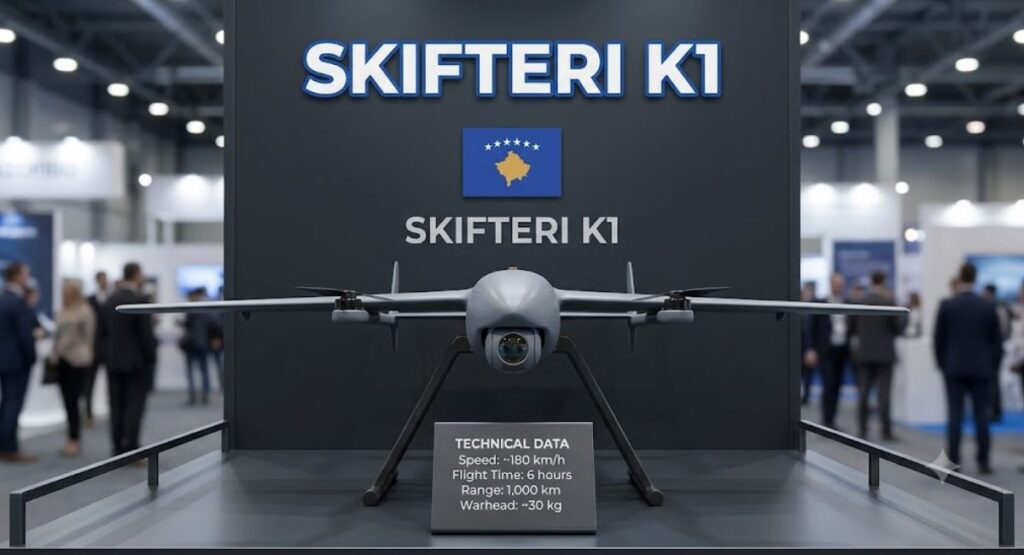
The Kamikaze K1 drone is a modern one-way attack unmanned aerial vehicle (UAV) designed to provide military forces with a cost-effective and highly precise strike capability. Often referred to as a loitering munition, the K1 combines the surveillance capabilities of a drone with the destructive power of a guided weapon. Unlike traditional missiles, the drone can remain airborne for a period, identify potential targets, and attack when the operator confirms the strike.
As warfare increasingly relies on unmanned systems, kamikaze drones have become essential tools for intelligence gathering, precision attacks, and reducing risks to military personnel. The K1 represents this evolution by offering mobility, flexibility, and affordability while supporting modern battlefield operations.
This article explores the Kamikaze K1 drone, its features, working principles, advantages, applications, challenges, and future developments.
Overview of the Kamikaze K1 Drone
The Kamikaze K1 is classified as a loitering munition, meaning it can fly over a designated area before engaging a selected target. Unlike reusable reconnaissance drones, the K1 is intended for a single strike mission.
The drone is designed to support tactical military operations by engaging high-value targets with improved accuracy. Its compact design allows rapid deployment, making it suitable for dynamic combat environments.
Key Specifications of the Kamikaze K1 Drone
| Feature | Description |
|---|---|
| Drone Type | Loitering Munition (Kamikaze Drone) |
| Mission | Precision Strike |
| Launch Method | Portable Launcher or Vehicle-Based Launcher |
| Guidance | GPS, Inertial Navigation, Operator Control |
| Target Type | Vehicles, Equipment, Defensive Positions |
| Reusability | Single-Use |
| Primary Users | Military Forces |
| Operational Role | Tactical Precision Attack |
How the Kamikaze K1 Drone Works
The Kamikaze K1 drone follows a relatively straightforward operational process.
First, military personnel launch the drone using a portable or vehicle-mounted launching system. Once airborne, it navigates toward the assigned operational area using satellite navigation and onboard guidance systems.
During flight, operators monitor video and sensor feeds transmitted by the drone. If a suitable target is identified, they can direct the drone toward the objective. Upon impact, the drone detonates its onboard warhead, completing its mission.
This approach allows operators to make targeting decisions in real time, reducing unnecessary strikes and improving mission effectiveness.
Major Features of the Kamikaze K1 Drone
The K1 includes several capabilities that make it valuable in modern combat operations.
Precision Targeting
The drone is designed to accurately engage selected military objectives while minimizing unintended damage.
Loitering Capability
Instead of immediately attacking, the drone can remain airborne while searching for appropriate targets.
Compact Design
Its relatively small size makes transportation, deployment, and storage easier for military units.
Operator Control
Operators maintain control throughout much of the mission, allowing them to adapt to changing battlefield conditions.
Rapid Deployment
Military personnel can quickly prepare and launch the drone during tactical operations.
Advantages of the Kamikaze K1 Drone
The growing popularity of loitering munitions is driven by several operational benefits.
Improved Precision
Modern guidance systems allow highly accurate strikes against selected targets.
Reduced Risk to Personnel
The drone performs dangerous missions without placing soldiers directly in harm’s way.
Cost Efficiency
Compared to many traditional guided missiles, loitering munitions may offer a more economical precision-strike solution in certain scenarios.
Tactical Flexibility
Operators can redirect the drone, delay an attack, or continue searching for a better opportunity while it remains airborne.
Quick Battlefield Response
Fast deployment enables military forces to respond rapidly to emerging threats.
Military Applications
The Kamikaze K1 drone can support various tactical missions.
Armored Vehicle Engagement
The drone may be used against armored vehicles when appropriate targeting conditions exist.
Command Post Attacks
Temporary command positions can become potential targets during military operations.
Air Defense Suppression
Loitering munitions may assist in neutralizing air defense systems that threaten friendly aircraft.
Artillery Position Engagement
Enemy artillery systems may be targeted before they relocate.
Reconnaissance Support
Before conducting an attack, operators can observe battlefield activity using onboard cameras.
Technology Behind the Kamikaze K1 Drone
Modern loitering munitions combine several advanced technologies.
Navigation Systems
GPS and inertial navigation help guide the drone toward its operational area.
Electro-Optical Cameras
High-resolution cameras provide live imagery for operators.
Flight Control Software
Autonomous flight assistance helps stabilize the drone during complex maneuvers.
Communication Links
Secure communication systems transmit commands and live video between the operator and the aircraft.
Precision Guidance
Final attack guidance ensures improved accuracy during terminal flight.
Benefits Compared to Traditional Missiles
Loitering munitions differ from conventional missiles in several ways.
Traditional missiles immediately travel toward a predefined target after launch. The Kamikaze K1, however, can remain airborne while searching for an opportunity to strike.
This flexibility enables operators to adapt to changing battlefield situations, making the drone useful when targets are moving or difficult to locate.
Operational Challenges
Although effective, the Kamikaze K1 also faces several limitations.
Electronic Warfare
Signal jamming can interfere with navigation or communications.
Weather Conditions
Heavy rain, fog, and strong winds may reduce operational effectiveness.
Limited Endurance
Every drone has a maximum flight time before completing its mission or exhausting available power.
Detection Risks
Modern radar and counter-drone technologies may detect incoming UAVs.
Mission Planning
Successful operations require accurate intelligence and careful planning.
Role in Modern Warfare
Modern conflicts increasingly feature unmanned systems alongside traditional military equipment.
The Kamikaze K1 demonstrates how relatively compact drones can provide precision strike capabilities without requiring expensive aircraft or large missile inventories.
Military planners value such systems because they improve responsiveness while reducing risks associated with manned operations.
Importance of Precision Strike Technology
Precision has become one of the defining characteristics of modern military operations.
Instead of relying solely on large-scale bombardment, precision-guided systems allow military forces to engage specific objectives. This approach can improve operational efficiency while reducing unnecessary collateral damage.
The Kamikaze K1 contributes to this broader trend by combining surveillance with precision engagement capabilities.
Future Development of Kamikaze Drones
The next generation of loitering munitions is expected to incorporate increasingly sophisticated technologies.
Potential advancements include:
- Artificial intelligence-assisted target recognition
- Improved navigation in GPS-denied environments
- Longer flight endurance
- Enhanced resistance to electronic warfare
- More secure communication systems
- Better sensor packages for reconnaissance
- Increased operational flexibility
As drone technology evolves, future variants may become more autonomous while still operating under human supervision for critical decisions.
Maintenance and Deployment
Compared to larger aircraft, compact loitering munitions generally require less logistical support.
Military personnel can transport launch equipment using vehicles and prepare drones within relatively short timeframes. Routine inspections focus on propulsion systems, electronics, navigation equipment, and communication components before deployment.
Training Requirements
Operators require specialized instruction before using loitering munitions effectively.
Training typically includes:
- Flight operation procedures
- Mission planning
- Navigation management
- Target identification
- Communication protocols
- Safety procedures
- Electronic warfare awareness
Comprehensive training improves mission success while reducing operational errors.
Strategic Significance
Loitering munitions have changed battlefield tactics by offering commanders an additional precision engagement option between reconnaissance drones and conventional missiles.
The Kamikaze K1 demonstrates how relatively compact unmanned systems can contribute to tactical operations by combining surveillance, mobility, and precision strike capabilities into a single platform.
As militaries continue investing in unmanned technologies, systems similar to the K1 are expected to remain an important part of future defense strategies.
Here is the correct order for your article:
- Introduction
- All H3 Sections
- Conclusion
- FAQs (at the very end)
You can place the following content at the end of your article.
Conclusion
The Kamikaze K1 drone represents a significant advancement in modern unmanned military technology by combining surveillance, precision targeting, and strike capabilities into a single platform. As a loitering munition, it provides armed forces with greater tactical flexibility, allowing operators to observe the battlefield before engaging designated targets. Its compact design, rapid deployment, and precision guidance make it a valuable asset for modern military operations. Although it faces challenges such as electronic warfare, adverse weather, and counter-drone systems, the continued development of autonomous technologies and advanced navigation systems is expected to enhance its effectiveness. As defense technologies continue to evolve, the Kamikaze K1 and similar loitering munitions are likely to play an increasingly important role in future combat operations.
FAQs
Q: What is the Kamikaze K1 drone?
A: The Kamikaze K1 drone is a one-way attack unmanned aerial vehicle (UAV), also known as a loitering munition. It is designed to identify and engage military targets with precision while minimizing the need for direct human involvement in dangerous combat situations.
Q: How does the Kamikaze K1 drone work?
A: The drone is launched toward a designated operational area, where it can loiter while searching for a target. After a target is identified and confirmed by the operator, the drone dives into it and detonates its onboard warhead.
Q: What is the primary purpose of the Kamikaze K1 drone?
A: The primary purpose of the Kamikaze K1 drone is to provide armed forces with a precise, flexible, and cost-effective solution for engaging tactical military targets.
Q: Can the Kamikaze K1 drone return after completing its mission?
A: No. The Kamikaze K1 is a single-use loitering munition. Once it attacks its designated target, it is destroyed during the impact.
Q: What are the key advantages of the Kamikaze K1 drone?
A: The drone offers several advantages, including precision targeting, rapid deployment, reduced risk to military personnel, battlefield flexibility, and the ability to loiter before engaging a target.
Q: What types of targets can the Kamikaze K1 drone engage?
A: Depending on mission requirements, the Kamikaze K1 can be used against military vehicles, defensive positions, command posts, artillery systems, and other tactical objectives.
Q: Why are kamikaze drones becoming more popular in modern warfare?
A: Kamikaze drones provide accurate strikes, reduce operational risks, improve battlefield awareness, and often cost less than many traditional precision-guided weapons, making them valuable assets in modern military operations.
Q: What technologies are used in the Kamikaze K1 drone?
A: The Kamikaze K1 typically incorporates GPS navigation, inertial guidance, electro-optical cameras, secure communication systems, and precision flight control technology to complete its missions effectively.