
The Timeless Enchantment of Lolita Fashion: A Complete Guide to Its History, Evolution, Influence, and Modern Expression
Lolita fashion remains one of the most captivating and culturally rich style movements the world has ever seen. Originating in Japan and inspired by centuries-old European aesthetics, the Lolita dress has become a powerful symbol of romantic rebellion, individuality, and artistic freedom. What began as a niche subculture has grown into a worldwide phenomenon, attracting fashion enthusiasts, designers, scholars, and cultural critics alike.
In this comprehensive guide, we explore the world of Lolita fashion in depth from its origins and evolution to its designers, trends, sustainability efforts, and cultural impact. Whether you’re a seasoned Lolita enthusiast or a curious newcomer, this article offers a complete understanding of what makes this movement so enchanting and enduring.
The Origins of Lolita Fashion: A Style Rooted in Elegance and Identity
Lolita fashion emerged in Japan in the late 20th century, during a period when youth culture was actively pushing against social conformity. Inspired heavily by Victorian and Rococo clothing, the style blended elegance, modesty, and fantasy to form an aesthetic unlike anything previously seen in modern fashion.
Although the style shares its name with Vladimir Nabokov’s novel Lolita, the fashion has no connection to the book’s themes. In fact, the Lolita community deliberately distances itself from those associations. Instead, the style focuses on creating a world of beauty, innocence, and creativity, transforming clothing into a medium of self-expression.
Cultural Context of Its Emergence
Japan’s street fashion scene in the 1980s and 1990s played a crucial role in Lolita’s rise. As young people sought alternatives to mainstream clothing, styles such as Visual Kei, Mori Kei, and Decora gained popularity. Lolita fashion became one of the most visually distinct and symbolically powerful of these movements.
Lolita fashion also represented:
- A rejection of hypermodern minimalism, choosing ornate details instead
- A celebration of femininity, without being tied to traditional gender expectations
- A sense of escapism, offering wearers a world of fantasy and beauty
- A subcultural identity, built on creativity, community, and individuality
What started as a small subculture grew steadily, eventually developing international recognition and inspiring countless fashion communities across the globe.
Evolution of Lolita Style: From Japan to the World
Over the decades, Lolita fashion underwent major evolution as new influences, designers, and communities helped shape its direction. Today, the style is defined by several recognizable substyles, each with its own aesthetic flavor and cultural meaning.
Major Substyles of Lolita Fashion
Lolita fashion’s evolution produced a number of subgenres, the most notable being:
- Classic Lolita: Balanced, elegant, and rooted in historical fashion.
- Sweet Lolita: Bright, pastel, whimsical, and childlike in theme.
- Gothic Lolita: Dark, mysterious, and influenced by Gothic art and architecture.
- Punk Lolita: Edgy, rebellious, and infused with punk culture elements.
- Ouji (Prince) Style: A boyish alternative often worn by all genders.
- Hime (Princess) Lolita: Grand, luxurious, and inspired by royalty aesthetics.
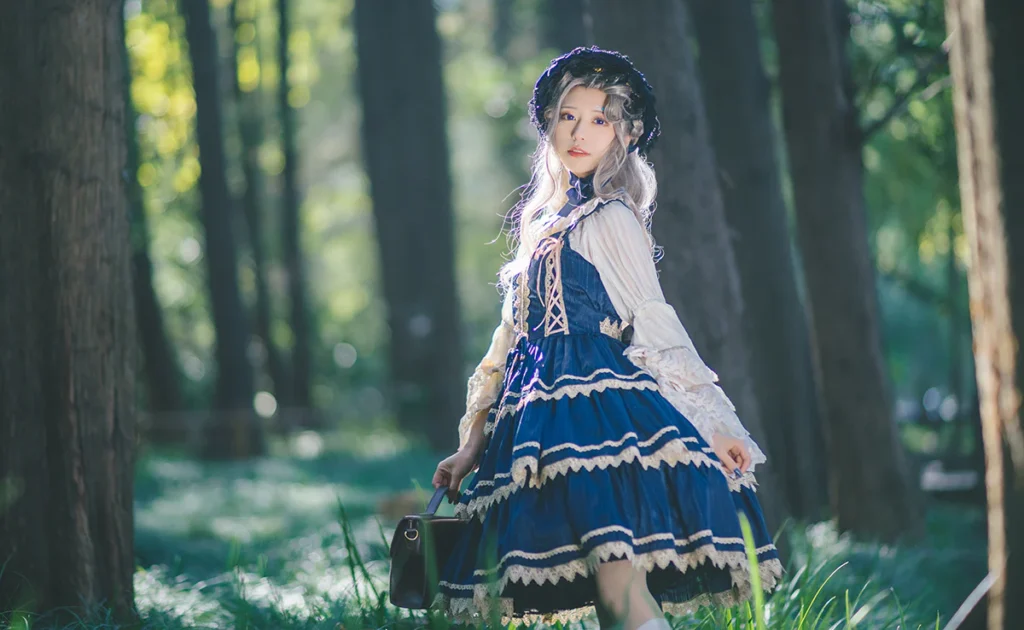
While these substyles differ dramatically, they all share the foundational Lolita silhouette: a bell-shaped skirt, modest neckline, petticoat, high-quality fabric, and intricate detailing.
Global Expansion
By the early 2000s, Lolita fashion had spread beyond Japan to the United States, Europe, Latin America, China, and Australia. With this growth came:
- International fashion events
- Online Lolita communities and forums
- Brand collaborations and new indie designers
- Cultural exchange across continents
Lolita fashion, once highly niche, became a bridge connecting fashion lovers across the world.
Designers and Brands: The Creative Minds Behind the Movement
Lolita fashion owes much of its identity to visionary designers who helped craft the movement’s iconic aesthetic. Their brands continue to shape both historical and contemporary interpretations of Lolita fashion.
Legendary Figures in Lolita Design
Some of the most influential designers include:
- Mana Takarai: Founder of Moi-même-Moitié, he popularized the elegant Gothic Lolita style.
- Maki and Asuka: The creative duo behind Baby, the Stars Shine Bright, known for romantic, fairytale-inspired designs.
- Angelic Pretty Designers: Masters of Sweet Lolita, creating pastel, candy-themed masterpieces.
- Metamorphose temps de fille: Celebrated for experimental, comfortable, and versatile Lolita pieces.
These designers helped define the major substyles and turned Lolita fashion into a structured, recognizable aesthetic.
Fashion Shows and Subcultural Events
Events such as:
- Tokyo Lolita Fashion Walk
- International Lolita Day
- Hyper Japan Festival
- Indie designer pop-up fairs
- Global tea party meetups
create spaces for enthusiasts to showcase their outfits, share inspiration, and build community. These gatherings often double as artistic and cultural celebrations, bringing the Lolita world to life.
Trend Analysis: The Modern Direction of Lolita Dress
As fashion evolves, so does the Lolita aesthetic. Today’s Lolita fashion blends tradition with modern influences, maintaining its iconic silhouette while embracing innovation.
Current Trends Shaping Lolita Fashion
Modern Lolita trends include:
- Pastel and muted color palettes
- Heavier lace and embroidered details
- Storybook or fairytale themes
- More inclusive sizing and gender diversity
- Hybrid styles mixing streetwear with Lolita elements
- Digital prints featuring fantasy landscapes, sweets, or vintage motifs
Social media, especially platforms like Instagram, TikTok, and X (Twitter), has also amplified the visibility of Lolita fashion, making it more accessible and celebrated.
Style Guide: How to Wear a Lolita Dress with Confidence
For newcomers, the Lolita dress may appear complex, but once the fundamentals are understood, styling becomes both enjoyable and empowering.
Key Principles for Wearing Lolita Fashion
- Start with the silhouette: A petticoat is essential for creating the bell-shaped form.
- Layer thoughtfully: Blouses, boleros, cardigans, and socks help complete the look.
- Use accessories wisely: Bonnets, bows, handbags, and jewelry add character.
- Balance color themes: Coordinating shades enhances visual harmony.
- Choose quality over quantity: Lolita fashion values craftsmanship.
- Express yourself: Creativity and authenticity elevate any coordinate.
Whether you prefer traditional substyles or modern hybrids, the goal is to create an outfit that feels true to your identity.
Sustainability in Lolita Fashion: A Growing Eco-Friendly Movement
As fashion shifts toward sustainability, the Lolita community is embracing more environmentally conscious practices.
Eco-Friendly Practices in Lolita Fashion
- Upcycling vintage garments
- Purchasing second-hand Lolita dresses
- Supporting small ethical designers
- Using natural or organic fabrics
- Repairing rather than replacing pieces
Because Lolita fashion values durability, many dresses are made to last for years or even decades, making the style inherently more sustainable than fast fashion.
Technology and Innovation: The Future of Lolita Design
Digital tools have dramatically expanded the creative possibilities within Lolita design.
Innovations Impacting the Lolita Sphere
- 3D modeling for dress construction
- Digital fabric printing enabling detailed artwork
- Virtual fitting rooms on fashion websites
- AI-assisted pattern creation
- Online marketplaces for supporting indie designers
Technology has also connected global communities, making Lolita fashion more inclusive and collaborative.
Celebrity and Cultural Influence: Lolita in the Mainstream
While Lolita fashion remains primarily a subculture, it has influenced mainstream pop culture in subtle and artistic ways.
Celebrities Who Have Worn Lolita-Inspired Looks
- Taylor Swift
- Lady Gaga
- Katy Perry
- Kyary Pamyu Pamyu
- Various anime and manga character designs
These appearances introduce Lolita aesthetics to new audiences, sparking curiosity and admiration.
Table: Overview of Major Lolita Substyles
| Substyle | Key Characteristics | Common Colors | Typical Themes |
|---|---|---|---|
| Classic Lolita | Elegant, vintage, balanced | Beige, brown, navy | Nature, antiques, literature |
| Sweet Lolita | Pastel, playful, childlike | Pink, mint, lavender | Sweets, toys, fairytales |
| Gothic Lolita | Dark, dramatic, mysterious | Black, red, purple | Religion, fantasy, Victorian gothic |
| Punk Lolita | Edgy, rebellious, bold | Black, red, tartan | Punk rock, DIY fashion |
| Ouji Style | Boyish, princely, tailored | Navy, black, white | Royalty, aristocratic |
Conclusion: The Enduring Magic of Lolita Fashion
Lolita fashion is far more than a clothing style it is a movement that celebrates creativity, freedom, individuality, and community. Its blend of historical elegance and modern innovation makes it one of the most fascinating fashion cultures in the world. From iconic designers to global communities, from sustainability efforts to technological advancements, the Lolita dress continues to evolve while honoring its roots.
As long as people crave beauty, storytelling, and artistic expression through clothing, Lolita fashion will continue to flourish captivating hearts and inspiring generations.
FAQs
What is Lolita fashion?
Lolita fashion is a Japanese style movement inspired by Victorian and Rococo clothing, known for its modest silhouettes, ornate details, and romantic themes.
Is Lolita fashion only popular in Japan?
No. Lolita fashion has become a worldwide movement, with active communities in Europe, the U.S., China, South America, and beyond.
What are the common substyles of Lolita fashion?
Popular substyles include Classic, Sweet, Gothic, Punk, and Ouji, each offering a different aesthetic direction.
Are there rules to wearing Lolita fashion?
While there are guidelines for maintaining the signature silhouette, Lolita fashion ultimately encourages creativity and personal expression.
Where can I buy Lolita dresses and accessories?
Well-known brands include Angelic Pretty, Baby the Stars Shine Bright, Moi-même-Moitié, and Metamorphose temps de fille. Many independent designers and second-hand online communities also offer Lolita piece.