
Should You Read One Punch Man Before Playing the Game? A Complete Guide for Fans
One Punch Man has evolved into one of the most influential and widely recognized anime and manga franchises of modern times. What began as a simple webcomic by ONE quickly transformed into a globally celebrated manga illustrated by Yusuke Murata, followed by a highly successful anime adaptation and, eventually, the video game One Punch Man: A Hero Nobody Knows. The franchise stands out due to its sharp satire, explosive action, and philosophical undertones hidden beneath its comedic surface.
For many gamers, a common question arises before starting the game: should you read One Punch Man or watch the anime first? While the game can technically be played without prior exposure, reading the manga beforehand dramatically enhances the overall experience. From understanding characters and storylines to appreciating humor and mechanics, familiarity with the source material adds depth that the game alone cannot fully provide.
This article explores in detail why reading One Punch Man before playing the game is highly recommended, how it enriches gameplay, and what players gain by immersing themselves in the original story.
Understanding the One Punch Man Universe
The world of One Punch Man is deceptively simple on the surface yet surprisingly complex beneath. It exists in a reality where monsters appear frequently and threaten humanity, requiring a structured response system. This system takes the form of the Hero Association, an organization that ranks heroes based on performance and power, assigning them classes from C to S.
Reading the manga introduces readers to this universe gradually, allowing time to understand how society functions under constant threat. Cities are destroyed and rebuilt, heroes are commodified, and public perception often outweighs actual heroism. These themes are woven throughout the story and directly influence the game’s setting, missions, and tone.
When players enter the game with this knowledge, environments and scenarios feel more meaningful. Locations are no longer just battle arenas; they are part of a living world shaped by chaos, bureaucracy, and irony. This familiarity transforms gameplay from a series of fights into an extension of the narrative universe.
Saitama’s Role and Narrative Importance
At the center of One Punch Man is Saitama, a hero who can defeat any enemy with a single punch. While this premise sounds straightforward, it is the foundation for one of the most unique protagonists in fiction. Saitama is not driven by glory, revenge, or justice in the traditional sense. Instead, he struggles with boredom, emotional numbness, and the absence of challenge.
Reading the manga allows players to fully grasp Saitama’s internal conflict. His overwhelming power has robbed him of excitement, making every victory feel hollow. This existential struggle defines his character and influences how he interacts with others.
In the game, Saitama’s presence is intentionally limited through mechanics such as delayed arrival. Without understanding his narrative purpose, these mechanics may seem frustrating or arbitrary. However, players who have read the manga recognize this design choice as a faithful reflection of Saitama’s role in the story, reinforcing immersion rather than detracting from it.
Character Depth and Backstories
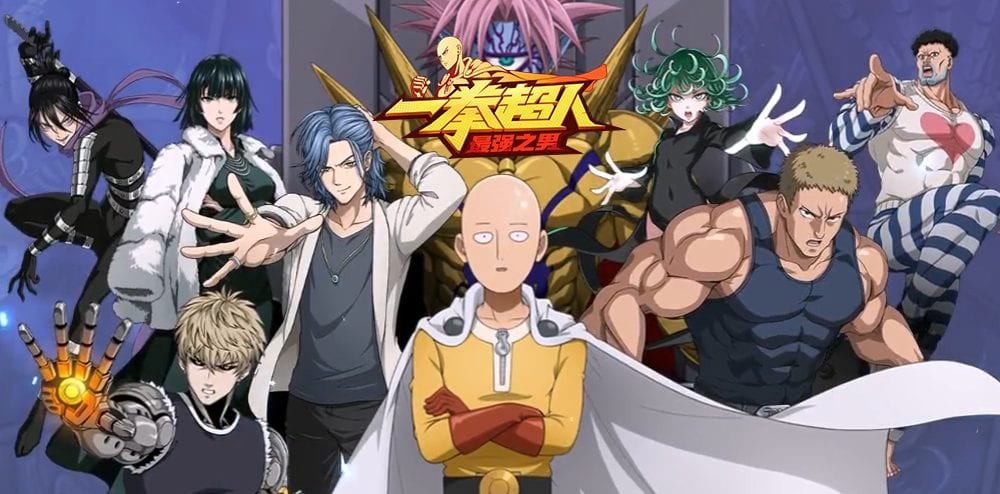
One Punch Man features an expansive cast of heroes and villains, each with distinct personalities, motivations, and fighting styles. Characters like Genos, Tatsumaki, Bang, Speed-o’-Sound Sonic, and Garou are more than simple combatants; they represent different philosophies of strength, justice, and ambition.
The manga dedicates significant time to exploring these characters. Genos’ quest for vengeance, Tatsumaki’s pride and trauma, and Garou’s rebellion against hero society all add emotional and thematic weight to the story. These layers are referenced throughout the game, often subtly.
Players who have read the manga will recognize these nuances during gameplay. Special moves, dialogue interactions, and character animations carry greater meaning when their backgrounds are known. This transforms playable characters from mechanical tools into fully realized personalities, making battles more engaging and emotionally resonant.
How Source Material Enhances Gameplay Mechanics
One Punch Man: A Hero Nobody Knows incorporates several mechanics that are deeply rooted in the manga’s storytelling. The most notable example is the Hero Arrival System, where players must survive using other heroes until Saitama arrives to end the fight instantly.
Without context, this mechanic may feel unusual compared to traditional fighting games. However, readers of the manga understand that Saitama’s late arrival is a recurring narrative device. He often shows up after other heroes have struggled, reinforcing both his strength and his emotional detachment.
Additionally, character abilities closely mirror their manga counterparts. Speed-based fighters feel agile, power-based heroes feel heavy, and strategic fighters require patience and timing. Familiarity with the manga allows players to intuitively understand these styles, leading to better strategic decisions and smoother gameplay.
Appreciating the Humor and Satirical Elements
One Punch Man is widely praised for its humor, which blends absurdity with sharp critique of superhero tropes. The manga frequently mocks power scaling, dramatic monologues, and the glorification of heroism. These jokes rely heavily on subversion and contrast.
The game includes many of these comedic elements, but their full impact is best experienced by those who already understand the references. Subtle jokes, character expressions, and ironic scenarios resonate more deeply when players recognize the tropes being parodied.
Reading the manga beforehand ensures that players do not miss these moments. Instead of simply enjoying surface-level comedy, they engage with the satire on a deeper level, making the game more entertaining and intellectually satisfying.
Emotional Engagement and Thematic Depth
Beyond action and humor, One Punch Man explores themes such as identity, purpose, and societal pressure. Many characters struggle with self-worth, recognition, and the meaning of strength. These themes are gradually developed throughout the manga.
Saitama’s emotional emptiness contrasts sharply with characters who desperately seek validation. This dynamic is central to the story’s philosophical undertones. When these themes appear in the game, they are often understated, assuming player familiarity.
Readers who enter the game with this understanding experience a stronger emotional connection. Story moments feel more impactful, and character arcs carry greater significance. The game becomes not just a fighting experience, but a continuation of an ongoing narrative journey.
Key Story Arcs Referenced in the Game
The One Punch Man manga is structured around major arcs that introduce new threats and challenge the status quo. These arcs shape the universe and define character growth. The game draws heavily from these storylines, incorporating characters, conflicts, and settings directly from them.
Understanding these arcs beforehand helps players contextualize events within the game. Battles feel less random and more purposeful when players know the history behind them. This knowledge also prevents confusion regarding character relationships and motivations.
| Story Arc | Significance to the Game |
|---|---|
| Hero Association Saga | Establishes ranking system and core heroes |
| Alien Invasion Arc | Introduces Boros and large-scale destruction |
| Monster Association Arc | Expands villain depth and moral conflict |
| Garou Arc | Explores anti-hero themes and power evolution |
Accessibility for Newcomers
While reading the manga enhances the experience, One Punch Man: A Hero Nobody Knows remains accessible to newcomers. The game includes introductory explanations and original content designed to onboard new players.
However, without prior exposure, players may view the story as fragmented or incomplete. Character motivations may feel shallow, and narrative moments may lack emotional weight. Reading the manga bridges this gap, allowing players to fully engage with the game as intended.
For those new to the franchise, starting with the manga offers a smoother and more rewarding entry point into the One Punch Man universe.
Conclusion
Reading One Punch Man before playing One Punch Man: A Hero Nobody Knows is not a requirement, but it is a powerful enhancement. The manga provides essential context, deepens character understanding, and enriches appreciation for the game’s mechanics, humor, and themes.
By immersing yourself in the original story, you transform the game from a standalone experience into a meaningful extension of the One Punch Man universe. Whether you are a longtime fan or a curious newcomer, reading the manga first ensures a richer, more satisfying journey through this iconic franchise.
Frequently Asked Questions
Do I need to read One Punch Man before playing the game?
No, but reading the manga greatly improves understanding and enjoyment of the game.
Is the game faithful to the original story?
Yes, it closely follows the manga’s characters, themes, and tone while adding original elements.
Can beginners enjoy the game without prior knowledge?
Yes, but they may miss deeper references and emotional context.
What is the best way to start One Punch Man?
Reading the manga from the beginning is the most comprehensive way to experience the story.
Is One Punch Man suitable for younger audiences?
The series is generally suitable for teens and older due to action, violence, and mature themes.