
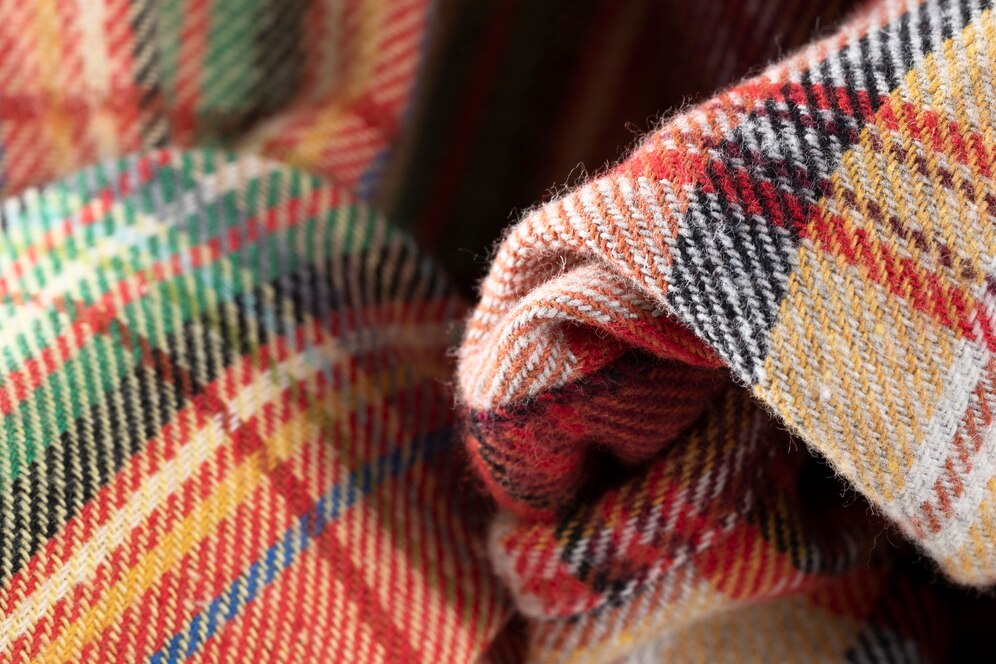
Cozy Up Your Home: Embrace the Timeless Charm of Mexican Blankets
Mexican blankets hold a unique place in the world of home décor fusing color, culture, tradition, and artistry into one unforgettable textile. Their warmth extends beyond physical comfort; it radiates a sense of heritage and storytelling woven into every thread. Whether you want to add vibrant color to a modern living room, bring rustic charm to a bedroom, or introduce cultural flair to outdoor gatherings, Mexican blankets offer endless possibilities.
This comprehensive guide invites you on a journey through the origins, craftsmanship, symbolism, and creative uses of these beloved textiles. By the end, you’ll not only understand their deep cultural significance but also feel inspired to bring their warmth into your own home.
The Remarkable History of Mexican Blankets
Mexican blankets are more than beautiful fabrics they are cultural artifacts shaped by centuries of tradition. Their evolution reflects a captivating blend of indigenous heritage, foreign influence, and political symbolism. Each era has contributed to the blankets we celebrate today.
Ancient Origins: Weaving Traditions of Early Civilizations
Before European contact, weaving was already a revered art among pre-Columbian civilizations. The Aztecs, Mayans, Zapotecs, and other groups wove intricate fabrics that held ceremonial, practical, and social meaning. These early textiles were crafted from natural fibers such as:
• Agave fibers, for durability
• Cotton, prized for softness and comfort
• Wool, introduced later through trade
Weaving was more than a skill—it was a respected cultural practice passed down through families. Patterns often represented spiritual beliefs, agricultural cycles, or celestial symbols. Blankets served as garments, status symbols, offerings, and everyday necessities. The enduring love for symmetry, bold colors, and geometric patterns still found in modern Mexican blankets traces directly back to these ancient artisans.
Spanish Influence: A Fusion of Cultures and Techniques
The arrival of Spanish colonizers in the 16th century brought new materials, tools, and weaving techniques to Indigenous artisans. This fusion of traditions gave rise to innovative textile styles that blended European methods with native creativity.
The Spanish introduced:
• Sheep’s wool, expanding material options
• Pedal looms, increasing production capability
• European dyeing techniques, enriching color variety
Rather than replace Indigenous weaving practices, these influences enriched them. Artisans adapted new tools to their own cultural aesthetics, creating distinctive patterns, enhanced textures, and deeper, more varied hues.
The result was a vibrant melding of traditions a hybrid textile culture that forms the foundation of many Mexican blankets today.
Revolutionary Resurgence: Blankets as Symbols of Identity
During major historical movements including the Mexican Revolution (1910–1920) and later the Chicano Movement in the United States Mexican blankets evolved into powerful symbols of cultural pride and resistance.
Revolutionaries often wore blankets, such as the iconic serape, for warmth during long journeys. Meanwhile, in the mid-20th century, Chicano activists embraced Mexican blankets as representations of heritage, unity, and self-expression.
What began as a traditional textile became a cultural emblem, cherished across borders and generations.
The Artistry Behind Mexican Blankets
The appeal of Mexican blankets lies not just in their beauty but in the skill and dedication behind their creation. Every blanket is a testament to artistry, precision, and storytelling. From region to region, the style and symbolism of Mexican blankets vary dramatically, showcasing Mexico’s beautifully diverse cultural landscape.
Regional Variations: A Rich Tapestry of Styles
Every region of Mexico has its own weaving heritage, leading to a wide range of blanket styles with unique characteristics. Some of the most celebrated varieties include:
• Saltillo Serapes – Known for brilliant colors, diamond-shaped patterns, and smooth, fine texture.
• Oaxacan Jergas – Crafted from sturdy fibers with rustic patterns and earthy tones.
• Tlaxcala Blankets – Recognized for their bold stripes and thick, cozy construction.
• Zapata-Style Blankets – Often darker, with muted tones and rugged durability.
Each region’s blankets reflect local landscapes, climate, history, and artistry. They embody the heart of their communities, making them far more than decorative accessories.
Natural Dyes and Materials: Sustainability Through Tradition
One of the most remarkable aspects of Mexican blankets is the use of natural dyes and fibers. Artisans often draw from local resources to create pigments and materials that are both sustainable and deeply rooted in tradition.
Common natural dye sources include:
• Indigo for deep blues
• Cochineal for vibrant reds and magentas
• Walnut shells for earthy browns
• Marigold flowers for warm yellows
These dyes are not only eco-friendly but also produce colors that age beautifully over time.
Materials such as cotton and wool are often sourced locally, creating sustainable supply chains while supporting regional economies. This ethical approach to craftsmanship is part of the reason Mexican blankets have remained valued for generations.
Symbolism and Meaning: Stories Woven Into Every Thread
Mexican blankets are often filled with symbols that carry deep cultural significance. These motifs are intentional, reflecting spiritual beliefs, natural phenomena, or ancestral connections.
Common symbols include:
• Geometric spirals – Representing the cycle of life
• Diamonds – Symbolizing protection and balance
• Stripes – Evoking agricultural lands or tribal identity
• Animal motifs – Honoring spiritual guardians or local fauna
Color also carries meaning:
• Red – Strength and vitality
• Blue – Spirituality and reflection
• Yellow – Happiness and abundance
• Green – Fertility and the natural world
When you bring a Mexican blanket into your home, you are not just adding décor you are inviting a cultural language of symbolism and heritage into your space.
How to Incorporate Mexican Blankets into Your Home Décor
Mexican blankets are remarkably versatile. Their vibrant patterns and warm textures make them suitable for almost any area of the home. Whether your style is bohemian, modern minimalism, farmhouse rustic, or eclectic, Mexican blankets can elevate your décor effortlessly.
Statement Throws: Adding Instant Personality
One of the easiest ways to use a Mexican blanket is as a stylish throw. Drape it across a sofa, armchair, or the foot of a bed to instantly brighten the room. The vivid stripes and bold colors draw the eye, transforming the blanket into a statement piece.
A large serape-style blanket can soften sharp modern lines, while an earthy Oaxacan blanket can warm up rustic interiors.
Wall Hangings: Turning Textiles Into Art
A Mexican blanket can serve as a stunning piece of wall art. The intricate designs make them ideal for:
• Accent walls
• Over-bed displays
• Gallery-style arrangements
• Tapestry-style hangings
Using textiles as wall décor adds depth, warmth, and cultural richness that framed prints rarely offer.
Outdoor Entertaining: Style Meets Practicality
Mexican blankets are durable and comfortable, making them perfect for outdoor activities. Their thick weave protects against uneven ground, and their vibrant patterns add festive charm to:
• Picnic settings
• Beach days
• Outdoor movie nights
• Backyard gatherings
They’re easy to fold, portable, and visually striking making them a must-have for outdoor enthusiasts.
Creative Uses Beyond Décor
You can incorporate Mexican blankets into your lifestyle in many inventive ways:
• Yoga mats or meditation blankets
• Table runners for boho-themed dining
• Bedspreads for cozy warmth
• Travel blankets for road trips
• Pet bedding with personality
These textiles adapt beautifully to many functions, blending utility and artistry.
Caring for Your Mexican Blankets
Proper care ensures your blankets remain vibrant and cherished for years. With thoughtful maintenance, they can last through decades of use, becoming treasured family heirlooms.
Cleaning and Maintenance
The correct cleaning method depends on the type of blanket and materials used.
• Cotton blankets – Gentle machine wash; avoid hot water.
• Wool blankets Hand wash in cool water; use mild cleansers.
• Naturally dyed textiles Avoid harsh chemicals and excessive sunlight.
Spot-treat spills as soon as they occur to prevent staining. Always follow care instructions provided by the artisan or vendor.
Storage Solutions for Preservation
Store blankets in breathable containers to prevent moisture buildup. Good options include:
• Cotton storage bags
• Linen closets
• Cedar-lined chests
Avoid plastic bins, as they trap moisture and encourage mold or fading.
Repair and Restoration: Extending Their Beauty
Over time, blankets may show signs of wear. Minor issues like loose threads, fraying edges, or small tears can be repaired using simple techniques such as:
• Reweaving thread-by-thread
• Stitching edges with matching yarn
• Reinforcing corners
For heirloom or traditionally woven pieces, professional textile restoration is an excellent option.
Comparison Table: Different Types of Mexican Blankets
| Blanket Type | Material | Style Features | Best Uses |
|---|---|---|---|
| Saltillo Serape | Cotton/Wool | Bright colors, diamond motifs | Throws, wall art |
| Oaxacan Jerga | Wool/Cotton | Earthy tones, rustic texture | Bed covers, cozy décor |
| Tlaxcala Blanket | Wool | Bold stripes, warm weave | Winter bedding, outdoor use |
| Zapata-Style Blanket | Wool | Dark hues, rugged design | Camping, durable throws |
Embrace the Timeless Charm of Mexican Blankets
Mexican blankets are far more than colorful textiles are living pieces of cultural heritage. They tell stories. They reflect craftsmanship. They warm not just your home but the spirit of the spaces they inhabit.Bringing one into your home means connecting with centuries of tradition, artistry, and identity. Their vibrant hues and intricate patterns breathe life into any room, making them a perfect blend of practicality and aesthetic charm.
CONCLUSION
Cozying up your home with Mexican blankets is a beautiful way to celebrate culture, color, and craftsmanship. From their ancient origins to their modern applications, these textiles continue to captivate with their warmth and artistry. Whether displayed as a statement piece, used for comfort, or incorporated into outdoor gatherings, Mexican blankets bring character and joy to every environment.
By understanding their history and caring for them properly, you honor the artisans who keep these traditions alive. Embrace the charm, embrace the culture, and let the timeless beauty of Mexican blankets transform your space.