
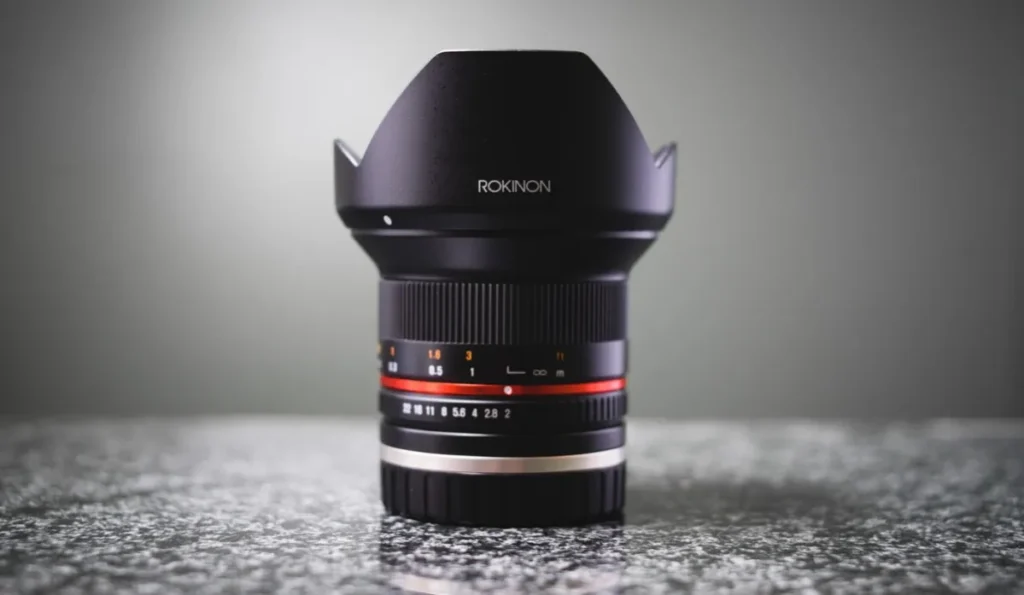
How to Safely Remove a Stuck Rokinon Teleconverter Without Damaging Your Lens
Teleconverters are a favorite tool among photographers who want to extend their focal length without investing in an entirely new lens. Brands like Rokinon are especially popular because they offer excellent optical quality at an accessible price point. However, one common issue photographers sometimes face is a teleconverter getting stuck on the lens.
This situation can be stressful, especially when expensive camera gear is involved. Pulling too hard, twisting aggressively, or using the wrong tools can permanently damage lens mounts, internal elements, or electronic contacts. The good news is that most stuck teleconverters can be removed safely if you follow a calm, step-by-step approach.
This detailed guide explains exactly how to remove a stuck Rokinon teleconverter safely, what mistakes to avoid, and how to prevent the problem from happening again in the future.
Understanding Why a Teleconverter Gets Stuck
Before attempting removal, it’s important to understand why teleconverters become stuck in the first place. Identifying the root cause helps you choose the safest solution instead of guessing.
One of the most common reasons is improper alignment during attachment. If the teleconverter was slightly misaligned when mounted, it may bind against the lens mount. Another frequent cause is dirt, dust, or tiny debris lodged between the mounting surfaces, increasing friction. In some cases, a worn or stiff locking pin may fail to disengage properly, preventing rotation. Over-tightening during installation can also create excessive pressure that makes removal difficult.
Understanding that the issue is usually mechanical rather than catastrophic helps you stay patient and avoid panic-driven mistakes.
Why Forcing a Stuck Teleconverter Is a Bad Idea
When a teleconverter refuses to budge, the instinct is often to apply more force. Unfortunately, this is one of the fastest ways to damage your gear. Lens mounts are precisely engineered, and excessive twisting pressure can warp metal mounts, crack plastic housings, or misalign internal optical elements.
Electronic contacts between the lens and teleconverter are also vulnerable. Damage to these contacts can result in autofocus failure, aperture errors, or complete loss of communication between the camera and lens. Once these parts are damaged, repairs can be costly or even impossible.
That’s why controlled, gradual methods are always safer than brute force.
Initial Safety Checks Before You Start
Before attempting removal, make sure your camera is turned off and detached from the teleconverter if possible. Working with powered electronics increases the risk of electrical damage. Hold the lens and teleconverter over a clean, padded surface so that if something slips, it won’t hit the floor.
Wash and dry your hands to remove oil or sweat, which can reduce grip and cause slipping. Good preparation alone can prevent accidental drops and scratches.
Confirming the Locking Mechanism Is Fully Disengaged
Most Rokinon teleconverters include a locking mechanism designed to secure the connection during use. If this lock is even slightly engaged, the teleconverter will not rotate freely.
Carefully locate the release button or locking switch on the teleconverter. Press and hold it firmly while gently rotating the teleconverter in the correct release direction, which is usually counterclockwise. Maintain steady pressure rather than short, jerky movements. Often, simply holding the lock fully engaged while rotating is enough to free the teleconverter.
If there is no movement at all, stop and move to the next step rather than increasing force.
Improving Grip Without Damaging the Gear
If the teleconverter feels tight but not completely jammed, poor grip may be the main issue. Using bare hands on smooth metal or plastic surfaces can make it difficult to apply even pressure.
A rubber jar opener, silicone grip pad, or rubber kitchen glove can dramatically improve traction without risking scratches. Wrap the rubber material around the base of the teleconverter where it meets the lens. With one hand stabilizing the lens and the other applying slow rotational pressure, try twisting again in the release direction.
This method often works because it allows controlled torque without squeezing too hard.
Using the Gentle Back-and-Forth Rotation Technique
Sometimes a teleconverter binds due to slight misalignment rather than full obstruction. In these cases, rotating only in one direction can make the problem worse.
Apply light pressure to rotate the teleconverter slightly toward the locking direction, then gently reverse toward the release direction. The movement should be subtle, not forceful. This back-and-forth motion can help realign the mounting surfaces and free the locking pin.
Repeat this motion slowly several times. Many photographers find that the teleconverter loosens gradually rather than all at once.
Clearing Dust and Debris From the Mount Area
Dust and debris are silent troublemakers. Even tiny particles can increase friction enough to jam a teleconverter.
Use a manual air blower to gently blow around the seam where the teleconverter meets the lens. Rotate the assembly slightly as you blow to reach all angles. Avoid canned compressed air, as it can introduce moisture or apply excessive pressure.
Once dust is cleared, try rotating the teleconverter again using gentle pressure. Often, this simple cleaning step is enough to solve the issue.
When and How to Use a Lens Wrench Safely
https://diversinet.com/top-data-science-tools-to-know-in-2024/If the teleconverter remains stubborn after all manual methods, a lens wrench may be required. This tool is specifically designed to apply even pressure without crushing or scratching camera gear.
Place the lens wrench securely around the teleconverter’s base. Make sure it sits evenly and does not press against delicate areas. Apply slow, controlled pressure in the release direction. The goal is steady torque, not sudden force.
A lens wrench should be considered a last-resort home solution, not a first step.
Situations Where Professional Help Is the Best Option
If the teleconverter shows no movement at all, or if you feel uncomfortable continuing, professional assistance is the safest choice. Camera repair technicians have specialized tools and experience handling stuck mounts without causing damage.
Authorized service centers and reputable camera stores can usually resolve the issue quickly. The cost of professional removal is often far less than the cost of repairing damaged gear caused by forced removal.
Common Causes and Solutions at a Glance
| Cause of Sticking | Typical Symptoms | Recommended Solution |
|---|---|---|
| Misalignment during mounting | Slight rotation but no release | Back-and-forth rotation method |
| Dust or debris | Grinding or uneven movement | Air blower cleaning |
| Locking pin not disengaged | No rotation at all | Hold lock button firmly |
| Over-tightening | Very stiff rotation | Rubber grip or lens wrench |
| Mechanical wear | Complete jam | Professional service |
Preventing Teleconverter Sticking in the Future
Once the teleconverter is safely removed, prevention becomes your best defense. Always align mounting marks carefully before attaching the teleconverter. Never force it into place if it doesn’t rotate smoothly.
Keep lens mounts clean by using a blower regularly and storing gear with protective caps. Periodically inspect the locking mechanism for stiffness or debris. When mounting, twist only until secure—there is no benefit to overtightening.
Developing careful habits during installation and removal dramatically reduces the risk of future problems.
Why Patience Is the Most Important Tool
Removing a stuck teleconverter is less about strength and more about patience. Every step should be deliberate, controlled, and calm. Rushing increases the risk of costly mistakes, while slow, thoughtful actions usually lead to success.
Photographers who treat their gear gently not only avoid damage but also extend the lifespan and performance of their equipment.
Final Thoughts
A stuck Rokinon teleconverter can feel like a serious problem, but in most cases, it’s a manageable one. By understanding the cause, avoiding force, and following safe removal techniques, you can resolve the issue without harming your lens or camera.
When in doubt, stop and seek professional help your gear is worth protecting. With proper care, clean handling, and mindful installation, teleconverters can remain a reliable and frustration-free tool in your photography kit for years to come.