
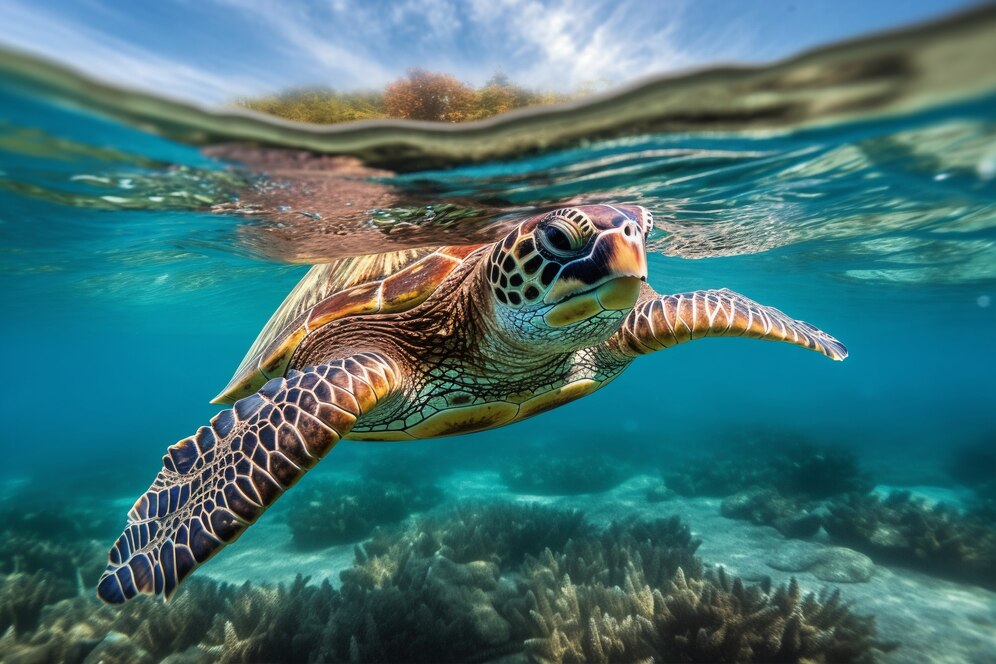
Sea Turtles of Zanzibar: Guardians of the Indian Ocean and Their Timeless Journey
In the turquoise waters of the Indian Ocean, where coral reefs shimmer beneath the surface and white-sand beaches stretch endlessly along the shore, one of nature’s most ancient rituals continues uninterrupted. The sea turtles of Zanzibar return year after year, guided by instinct older than civilization itself. These extraordinary creatures, whose ancestors swam the oceans alongside dinosaurs, remain a powerful symbol of endurance, balance, and the interconnectedness of marine life.
Zanzibar’s sea turtles are more than just a natural attraction. They represent a living link between past and present, a vital component of marine ecosystems, and a reminder of humanity’s responsibility to protect the fragile environments we share. This article explores the lives of Zanzibar’s sea turtles, their nesting rituals, conservation efforts, ecological importance, and the challenges they face in a rapidly changing world.
Zanzibar as a Haven for Sea Turtles
Zanzibar, an archipelago off the coast of Tanzania, is internationally celebrated for its biodiversity. Its warm waters, sheltered beaches, and rich marine habitats create ideal conditions for sea turtles to feed, migrate, and nest. The region’s coral reefs, seagrass meadows, and mangrove forests form an interconnected ecosystem that supports a wide range of marine species.
Sea turtles are especially drawn to Zanzibar because of its relatively undisturbed beaches and favorable ocean currents. These conditions make the islands an essential breeding and nesting ground in the western Indian Ocean.
Species of Sea Turtles Found in Zanzibar
Several species of sea turtles visit Zanzibar’s waters, but two are particularly prominent during nesting seasons.
The Green sea turtle is the most frequently observed species. Named not for the color of its shell but for the greenish hue of its fat, this turtle primarily feeds on seagrass and algae. Its grazing behavior plays a crucial role in maintaining healthy seagrass beds, which are vital for marine biodiversity.
The Hawksbill turtle, known for its striking shell pattern and narrow beak, is less common but equally significant. This species feeds mainly on sponges found in coral reefs, helping maintain reef health and diversity.
Occasionally, other species may pass through Zanzibar’s waters during migration, underscoring the region’s importance as a marine crossroads.
The Remarkable Migration of Sea Turtles
Sea turtles are among the most accomplished navigators in the animal kingdom. After hatching on Zanzibar’s beaches, young turtles embark on a perilous journey across the ocean. Many travel thousands of kilometers before eventually returning often decades later to nest on the very beaches where they were born.
Scientists believe turtles use a combination of magnetic fields, ocean currents, and celestial cues to navigate these vast distances. This extraordinary homing ability remains one of nature’s most fascinating mysteries.
Nesting Season: A Nighttime Spectacle
The nesting season in Zanzibar typically occurs between June and September, although variations can occur due to environmental factors. During this time, female sea turtles emerge from the ocean under the cover of darkness, minimizing exposure to predators and human disturbance.
Slowly and deliberately, a nesting turtle drags her heavy body across the sand, searching for a suitable site above the high-tide line. Using her rear flippers, she digs a deep, flask-shaped nest where she deposits dozens of soft-shelled eggs. Once the nest is filled and carefully concealed, she returns to the sea, leaving the eggs to incubate on their own.
This process can take several hours and requires enormous energy, making nesting one of the most vulnerable moments in a turtle’s life.
From Egg to Ocean: The Hatchling Struggle
After an incubation period of approximately two months, hatchlings emerge from the sand, often synchronizing their escape to increase survival chances. Drawn instinctively toward the brightest horizon traditionally the moonlight reflecting off the ocean they scramble toward the water.
This journey, though short in distance, is fraught with danger. Predators such as birds and crabs pose immediate threats, while artificial lighting from coastal development can disorient hatchlings, leading them away from the sea.
Only a small fraction of hatchlings survive to adulthood, making each successful nest critically important for population stability.
Ecological Importance of Sea Turtles
Sea turtles play a vital role in maintaining healthy marine ecosystems. Their feeding habits directly influence the balance of underwater habitats.
Green sea turtles help regulate seagrass growth, preventing overgrowth and promoting nutrient cycling. Healthy seagrass beds support fish populations, protect coastlines from erosion, and store carbon.
Hawksbill turtles contribute to coral reef health by feeding on sponges that would otherwise outcompete coral species. This selective feeding allows reefs to maintain diversity and resilience.
By supporting these ecosystems, sea turtles indirectly sustain fisheries, tourism, and coastal protection benefiting both nature and human communities.
Conservation Efforts in Zanzibar
Despite their ancient resilience, sea turtles face unprecedented threats in the modern world. In response, Zanzibar has become a focal point for conservation initiatives aimed at protecting these vulnerable species.
Local organizations, often working alongside international partners, conduct beach patrols during nesting season to identify and protect nests. These patrols deter poaching, relocate nests at risk of flooding, and collect data essential for scientific research.
Community education programs play a central role in conservation success. By engaging fishermen, schoolchildren, and tourism operators, conservationists foster a shared sense of responsibility and stewardship.
Role of Community Involvement
Community participation is one of the most effective conservation tools in Zanzibar. Many coastal residents depend on the ocean for their livelihoods, making sustainable practices essential for long-term prosperity.
Through training and awareness programs, local communities learn how protecting sea turtles can support eco-friendly tourism and preserve fish stocks. In many areas, former poachers have become conservation advocates, demonstrating the transformative power of education and inclusion.
Sustainable Tourism and Economic Benefits
Sea turtles contribute significantly to Zanzibar’s economy through responsible tourism. Turtle-watching experiences, educational visits to conservation centers, and guided snorkeling tours offer visitors unforgettable encounters while promoting conservation awareness.
This form of ecotourism provides alternative income sources for local communities, reducing reliance on harmful practices. When managed responsibly, tourism becomes a powerful incentive to protect rather than exploit marine life.
Major Threats Facing Sea Turtles in Zanzibar
Despite conservation progress, sea turtles in Zanzibar continue to face serious challenges.
Coastal development threatens nesting beaches by increasing erosion, light pollution, and human disturbance. Climate change poses additional risks, as rising temperatures can skew hatchling sex ratios and sea-level rise can flood nests.
Marine pollution, particularly plastic waste, remains a major hazard. Turtles often mistake plastic for food, leading to injury or death. Additionally, accidental capture in fishing gear continues to impact turtle populations.
Key Challenges and Conservation Responses
| Threat | Impact on Sea Turtles | Conservation Response |
|---|---|---|
| Coastal development | Loss of nesting habitats | Protected beach zones |
| Plastic pollution | Ingestion and entanglement | Waste reduction programs |
| Fishing bycatch | Injury or mortality | Turtle-friendly fishing gear |
| Climate change | Nest flooding, sex imbalance | Habitat monitoring |
Scientific Research and Monitoring
Ongoing research is essential for effective conservation. Tagging programs help scientists track migration routes and identify critical feeding and nesting areas. Nest monitoring provides insights into hatching success rates and environmental influences.
This data informs policy decisions and allows conservation strategies to adapt to changing conditions.
Cultural Significance of Sea Turtles
In Zanzibar, sea turtles hold cultural and symbolic meaning. Traditionally respected as creatures of wisdom and longevity, they appear in local stories and beliefs. Modern conservation efforts often draw upon these cultural values to strengthen community engagement and pride.
The Global Responsibility to Protect Sea Turtles
Sea turtles do not recognize political boundaries. A turtle nesting in Zanzibar may migrate across multiple countries during its lifetime. This makes international cooperation essential for their survival.
Reducing global plastic pollution, addressing climate change, and promoting sustainable fishing practices are shared responsibilities that extend far beyond Zanzibar’s shores.
How Visitors Can Help Protect Sea Turtles
Tourists play an important role in conservation. Simple actions such as avoiding touching turtles, minimizing artificial lighting near beaches, and choosing eco-certified tour operators can make a meaningful difference. Supporting conservation organizations through donations or volunteer programs further strengthens protection efforts.
A Future Worth Protecting
The future of sea turtles in Zanzibar depends on continued commitment from local communities, governments, conservationists, and visitors. While challenges remain, success stories demonstrate that positive change is possible when people work together.
Each protected nest, each educated child, and each responsible tourist contributes to the survival of these remarkable animals.
Conclusion
The sea turtles of Zanzibar are living symbols of endurance, balance, and natural wonder. Their ancient journeys across the Indian Ocean remind us of the deep connections between land, sea, and life itself. As guardians of marine ecosystems, they play an irreplaceable role in maintaining the health of Zanzibar’s coastal environment. Protecting sea turtles is not just about preserving a species it is about safeguarding the future of the ocean and the communities that depend on it. By supporting conservation efforts, practicing responsible tourism, and embracing environmental stewardship, we can ensure that future generations continue to witness the awe-inspiring journey of Zanzibar’s sea turtles.